
How to Keep Your Ford Battery Healthy in Canadian Winters?
How to Keep Your Ford Battery Healthy in Canadian Winters?
Posted on March 2, 2026
Canadian winters can be tough on any vehicle, and the battery is often the first component to feel the impact. Cold temperatures slow chemical reactions in the battery, reducing its ability to deliver power when your vehicle needs it most. Whether you drive a gas-powered Ford or an electrified model, winter conditions can place extra strain on the battery system. Understanding how cold weather affects battery health is the first step toward preventing unexpected breakdowns and keeping your Ford reliable all season long.
Why Cold Weather Is Hard on Ford Batteries

When temperatures drop, a vehicle’s battery capacity decreases. In extreme cold, a battery can lose a significant amount of its capacity, making it harder to start the engine. At the same time, engines require more energy to turn over in winter because oil thickens and internal resistance increases. This combination creates a perfect storm where the battery is weaker, yet demand is higher. For Ford vehicles equipped with advanced technology, digital displays, and safety systems, the battery is working even harder in winter conditions.
Common Winter Battery Failures Drivers Face
Many winter-related battery issues develop gradually. Short trips, frequent cold starts, and long periods of dormancy can prevent the battery from fully recharging. Over time, this leads to reduced voltage and eventual failure. Corrosion around battery terminals can also worsen in winter due to moisture and road salt exposure. In electrified Ford models, cold temperatures can temporarily reduce battery efficiency, affecting driving range and charging speed. These issues are common across Canadian winters and are often preventable with proper care.
Warning Signs You Should Not Ignore
A struggling battery often gives early warning signs. Slow engine cranking during startup is one of the most common indicators. Dimming headlights, delayed infotainment screen response, or dashboard warning messages may also appear. In colder weather, these signs can worsen quickly. If the battery is already weak, a sudden temperature drop can lead to complete failure overnight. Paying attention to these symptoms can help avoid being stranded during winter.
Smart Winter Driving Habits That Protect Your Battery

Driving habits play a major role in battery health. Longer drives permit the alternator to boost the battery more effectively than short trips. Whenever possible, combining errands into one longer drive helps maintain battery charge. Turning off unnecessary accessories such as heated seats, rear defrosters, and cabin electronics during startup can reduce strain. For Ford vehicles with advanced infotainment screens, digital gauges, and safety technology, reducing electrical load during cold starts can make a noticeable difference.
Charging and Maintenance Tips for Cold Conditions
Routine battery inspections are especially important before and during winter. Ensuring that battery stations are tidy and connections are secure helps maintain proper power flow. Parking indoors or using a battery maintainer during extreme cold can significantly extend battery life. For Ford electric and hybrid vehicles, following OEM charging recommendations is essential. Preconditioning the battery while plugged in helps maintain optimal temperature, improves efficiency, and reduces stress during cold starts. These habits support overall vehicle performance, including engine response, transmission smoothness, and fuel efficiency.
How Battery Health Supports Overall Vehicle Performance
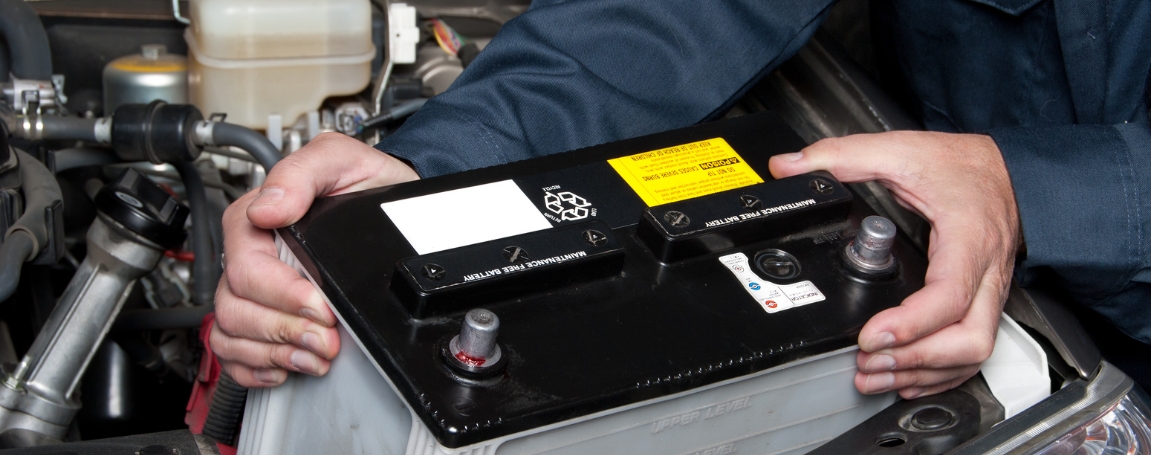
A healthy battery does more than start your vehicle. It supports critical systems that influence horsepower delivery, engine responsiveness, transmission operation, safety features, and even infotainment screen performance. Modern Ford vehicles rely heavily on electronic systems to manage torque distribution, traction control, and advanced driver-assistance features. When the battery is weak, these systems may not operate at their best. Maintaining battery health helps ensure consistent performance, smooth driving, and reliable operation in winter conditions.
Preparing Ahead Makes All the Difference
Preventive care is the most effective method to avoid winter battery issues. Testing the battery before temperatures drop, keeping it fully charged, and following Ford-recommended maintenance practices can add years to its lifespan. Canadian winters are unpredictable, but a well-maintained battery gives drivers confidence no matter how cold it gets. Simple habits, combined with professional inspections, can prevent costly repairs and unexpected downtime.
Get Winter Battery Service and Genuine Parts in Calgary
For drivers preparing their vehicles for winter, Country Hills Ford in Calgary offers professional battery inspections, winter maintenance services, and genuine OEM Ford parts. Their team can help ensure your Ford is ready for cold-weather driving with confidence and reliability.
Schedule A Ford Miantenance Service!